
Denver Kids Staff Teaches BrainWise
Posted On: February 26, 2019Denver Kids, Inc. is a premier prevention program with a 73-year history of success helping high-risk children in grades 3-12 in Denver Public Schools (DPS) graduate from high school. Today, Denver Kids serves more than 900 students in 160 schools. Most participants qualify for free and reduced lunches and have multiple family, social, educational, and behavioral health challenges.
SEL Application Nikki Murillo, M.S, Denver Kids counselor and Brian Firooz, Director of Talent and Culture, contacted BrainWise during the organization’s search for a Social and Emotional Learning (SEL) curriculum. The staff and administrators had recently received SEL training, and were looking for a program that would meet the following needs: taught SEL skills, was evidence-based, served students ages 9-18, would complement the wide range of social programs already in schools, would include parent involvement, and could be adapted to address problems students face in school and outside of school (home, community, work) over multiple years.
BrainWise is honored to be the program that Denver Kids selected to have their counselors and administrators be trained to teach.
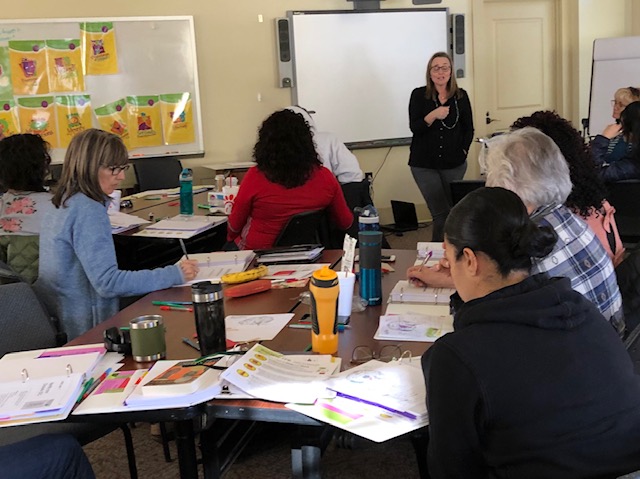
Denver Kids’ employs full-time counselors who are assigned 50 or more students with whom they have weekly or semi-monthly contacts. The counselors primarily work one-on-one, but also hold groups if their caseload has more than one student in a school. The counselor/student relationship lasts an average of seven years or until the student graduates.
Social worker Steve Huff, Ph.D., the agency’s SEL director, will be working with the counselors to help them teach and reinforce the 10 Wise Ways.
Steve’s background includes education gaming and technology, areas ideal for the teaching and infusion of the 10 Wise ways. He developed RellaFit a product and method that uses positive psychology, social media, and interactive games to increase collaboration and decrease conflict. He will support and assist Denver Kids counselors to apply and reinforce the 10 Wise Ways with RellaFit and the various SEL programs being used in schools where Denver Kids are students.
It is exciting to be involved with Denver Kids, a program that has produced exceptional outcomes since 1946. Denver Kids’ graduates exceed DPS graduation rates by 15-20 percent. In 2018, 83 percent of Denver Kids students graduated from high school compared to the school district’s 64.8 percent graduation rate. Other impressive data show that forty percent are the first in their family to graduate and 93 percent of Denver Kids who graduate from high school attend college.


