
The Importance of Teaching the Constellation of Support
Posted On: April 9, 2019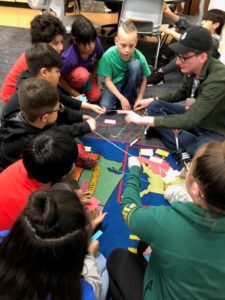 Blake, Sawyer, Anahi and Montzerrath are BrainWise teen mentors who created lessons for fourth graders that reinforce the Constellation of Support. Their examples used characters from “SpongeBob SquarePants” and “Toy Story.” The characters were already familiar to the students which then led to a fun and memorable lesson that helped the children recognize that even “best” friends can be hurtful and unexpected sources can provide help. The teens were thoughtful about the lessons they developed and are excited to share them with BrainWise instructors.
The children were enthralled by the teen mentors and enthusiastically identified and assessed the characters’ various relationships with each other. They talked about positive and negative behaviors, unexpected reactions, and the impact they had. They discussed situations that showed how someone you think is a good friend can become a broken line in your Constellation of Support and how to approach adults or older teens for help.
The teen mentors helped the students connect perceived feelings and life problems to using Wizard Brain thinking and reinforced why “stop and think” helps them work through difficult situations. The activity reinforced the importance of using effective support systems to prevent and solve problems.
Stories are valuable teaching tools and provide opportunities to discuss the different types of resources that can offer support to people. Stories also provide examples that can be customized to fit problems of clients and students and introduce them to support sources that may not have been considered.


